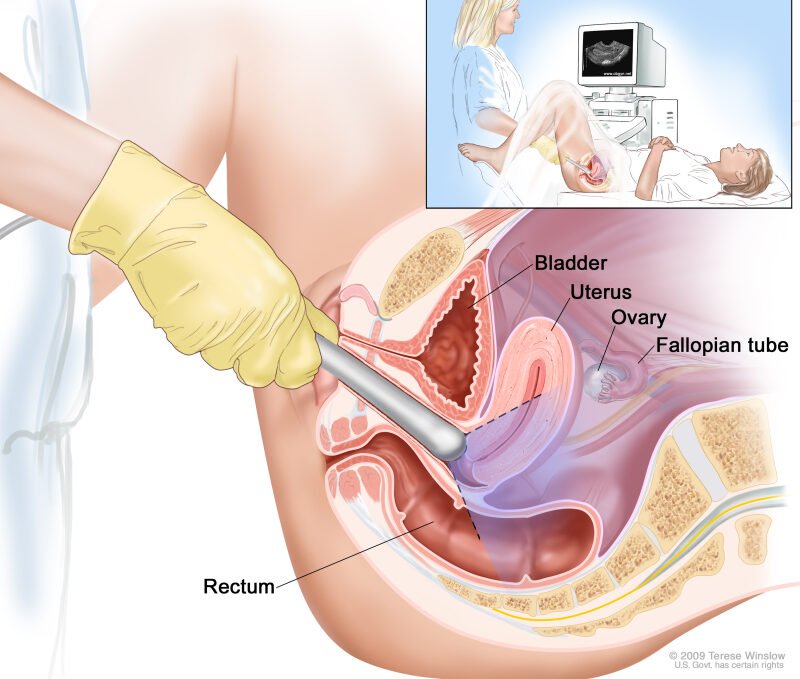
What is HSG?

Hysterosalpingography (HSG) is a specialized X-ray test used to examine a woman’s uterus and fallopian tubes. It involves injecting a contrast dye into the uterus, which helps outline the shape of the reproductive organs and check whether the fallopian tubes are open or blocked.

Why is a HSG Test Important?

HSG is an important diagnostic tool in infertility evaluation. It helps detect blockages in the fallopian tubes, abnormalities in the uterus (such as fibroids, polyps, adhesions, or congenital defects), and issues that may prevent pregnancy. The test also guides doctors in planning fertility treatments and assessing reproductive health.

Basic HSG Tests :

Uterine Cavity Assessment – checks for structural abnormalities inside the uterus

Fallopian Tube Patency Test – determines if the tubes are open or blocked

Tubal Blockage Location – identifies the exact site of obstruction if present

Reproductive Health Report – provides an overview of uterine and tubal condition

What to Expect:

During the HSG test, you will lie on an X-ray table while a thin catheter is inserted into the cervix. A contrast dye is gently introduced into the uterus and fallopian tubes, and X-ray images are taken. The procedure takes about 20–30 minutes. Some women may experience mild cramping or discomfort, but the test is generally safe, quick, and provides valuable information for fertility planning.

Explore our other Services :

Scroll to Top