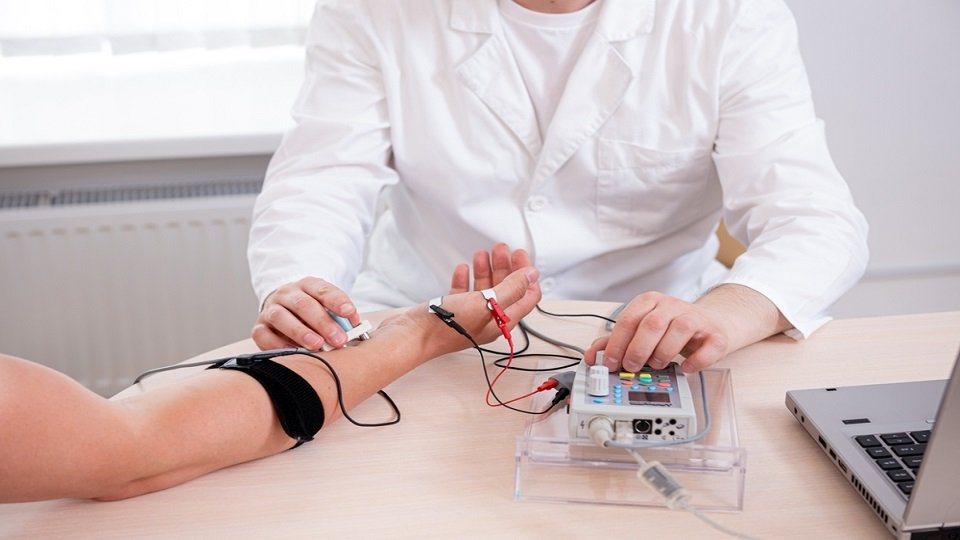
NCV (Nerve Conduction Velocity Test)

What is NCV?

NCV (Nerve Conduction Velocity) is a diagnostic test used to evaluate the function and health of your nerves. It measures the speed at which electrical signals travel through a nerve, helping doctors detect nerve damage or dysfunction. NCV is an important tool for identifying conditions that affect the nervous system.

Why is NCV Important?

An NCV test helps diagnose a range of neurological problems such as peripheral neuropathy, Guillain-Barré syndrome, carpal tunnel syndrome, and nerve injuries. It can also assess nerve damage caused by stroke or other medical conditions. Early diagnosis through NCV enables timely treatment and better management of nerve-related issues.

NCV Test Process:

Electrodes are placed on the skin over the nerve being tested.

Small, safe electrical pulses are delivered to stimulate the nerve.

The electrodes record how fast and effectively the impulse travels.

The results show whether the nerve is functioning normally or if there is damage.

What to Expect:

The test is generally safe and well tolerated. You may feel mild, brief discomfort from the electrical pulses, but it fades quickly. The procedure usually takes 20–30 minutes, and results are reviewed by a neurologist for accurate diagnosis and treatment planning.

Explore our other Services :

Scroll to Top