EEG (Electroencephalogram)

What is EEG?

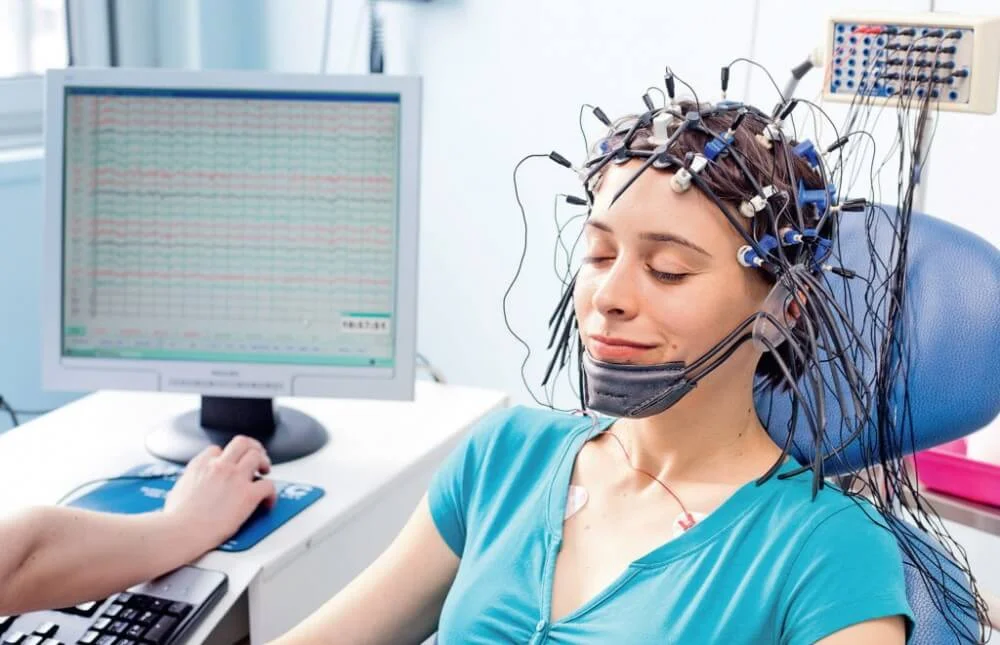
EEG (Electroencephalogram) is a non-invasive test that records the brain’s electrical activity. Small sensors are attached to the scalp to detect signals produced by the brain, which are then recorded by a machine. A trained specialist analyzes these signals to help diagnose and monitor brain-related conditions. EEG is painless, safe, and widely used in neurological assessments.

Why is EEG Important?

EEG plays a vital role in detecting and monitoring epilepsy, seizures, and other brain disorders. It is also used to investigate conditions like concussion, dementia, brain tumors, encephalitis, and sleep disorders (such as sleep apnea). By identifying abnormal brain activity early, EEG helps doctors provide the right treatment and management.


Basic EEG Tests:

Routine EEG – standard test, records brain activity for about 30–40 minutes

Ambulatory EEG – records brain activity over 24 hours while you go about daily activities

Sleep EEG – performed while you are asleep, often used for epilepsy or sleep disorder diagnosis

Video EEG – combines EEG recording with video monitoring to study seizures or abnormal activity

What to Expect:

Before the test, your scalp will be cleaned, and small electrodes will be attached using paste or glue. You will sit or lie down comfortably while the machine records your brain activity. The test is painless, safe, and usually takes 30–60 minutes, depending on the type of EEG. Results are reviewed by a neurologist for accurate diagnosis.

Explore our other Services :

Scroll to Top