Color Doppler

Home / Radiology Department / Color Doppler

What is Color Doppler?

Color Doppler is a specialized ultrasound technique that uses sound waves to visualize blood flow in your veins and arteries. By showing the direction and speed of blood flow in real-time, it helps doctors detect blockages, clots, or abnormal circulation patterns in different parts of the body.

Why is a Color Doppler Test Important?

Color Doppler is essential for diagnosing vascular conditions, deep vein thrombosis (DVT), varicose veins, peripheral artery disease, and even heart valve issues. It helps assess blood flow after surgery, monitor pregnancies for fetal circulation, and detect narrowed or blocked vessels that may lead to serious health problems.

Basic Color Doppler Tests :

Arterial Doppler – checks blood flow in arteries for blockages or narrowing

Venous Doppler – evaluates veins for clots, reflux, or varicose veins

Carotid Doppler – assesses blood flow in neck arteries supplying the brain

Obstetric Doppler – monitors blood circulation in the placenta and fetus during pregnancy

What to Expect:

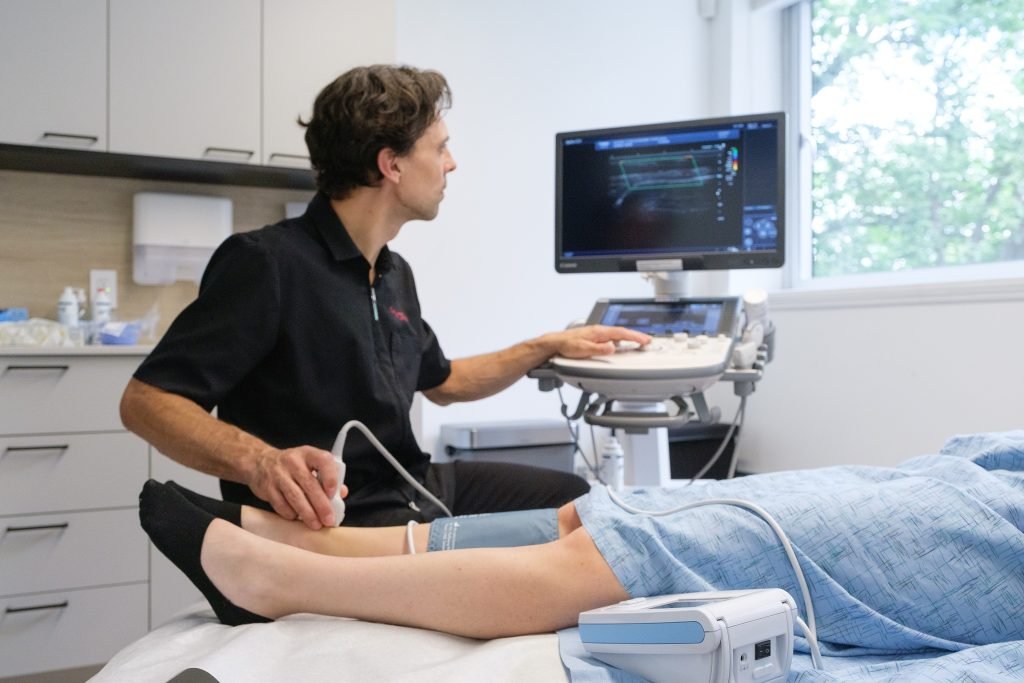
During a Color Doppler test, a water-based gel is applied to the skin, and a handheld probe is moved gently over the target area. The probe sends ultrasound waves that create real-time images of blood vessels and flow patterns on a screen. The test is safe, painless, and usually takes 20–40 minutes depending on the area being examined.

Scroll to Top